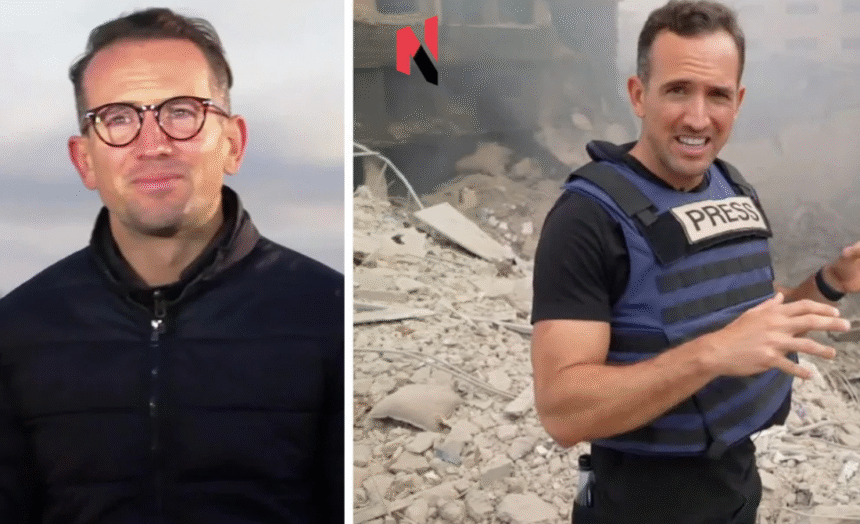
Hugo Bachega’s voice is one of those rare broadcast voices that audiences instantly recognize. Whether he is reporting from conflict zones, delivering breaking international news, or offering calm analysis during high-pressure moments, listeners often notice something distinctive about the way he speaks. Many viewers search online asking the same question: Why does Hugo Bachega accent sound so unique?
- Who Is Hugo Bachega?
- What Makes Hugo Bachega Accent Stand Out?
- A Multinational Linguistic Background
- Influence of International Journalism
- Neutral English and Global Comprehension
- Subtle European Influences
- The Role of Professional Voice Training
- Calm Delivery and Vocal Authority
- Why Viewers Find His Accent Memorable
- Accent and Identity in Global Media
- Why People Search for Hugo Bachega Accent Explained
- Conclusion
Who Is Hugo Bachega?
Before analyzing his accent, it is important to understand who Hugo Bachega is. He is an internationally respected journalist known for reporting on global affairs, conflicts, and political developments. His work often places him at the center of fast-moving, complex situations where clarity, authority, and trust are essential.
As a journalist operating on the world stage, Hugo Bachega communicates with a truly international audience. His accent reflects this global orientation, combining influences from different linguistic environments rather than belonging neatly to one national category.
What Makes Hugo Bachega Accent Stand Out?
Hugo Bachega accent does not fit the stereotypical mold of a single-region English accent. Instead, it sounds refined, neutral, and internationally intelligible, yet still warm and expressive. This balance is what many listeners perceive as “unique.”
Several key features contribute to this impression:
- A subtle blend of regional influences
- Clear articulation and controlled pacing
- Neutralized vowel sounds common in international broadcasting
- A calm, measured tone shaped by professional training
Rather than sounding exaggerated or overly stylized, his accent feels natural, confident, and authoritative.
A Multinational Linguistic Background
One of the strongest factors shaping Hugo Bachega accent is his multinational background. Journalists who work internationally often grow up or live across different countries, absorbing multiple speech patterns along the way. Exposure to diverse accents naturally softens strong regional features and replaces them with a more global pronunciation style.
This process is sometimes called accent leveling, where speakers subconsciously adapt their speech to be understood by people from different linguistic backgrounds. Over time, strong local markers fade, leaving behind a polished, international sound.
In Hugo Bachega’s case, his accent reflects:
- Cross-cultural exposure
- Multilingual or near-multilingual language awareness
- Daily communication with international colleagues
These elements combine to create a voice that feels worldly rather than regionally fixed.
Influence of International Journalism
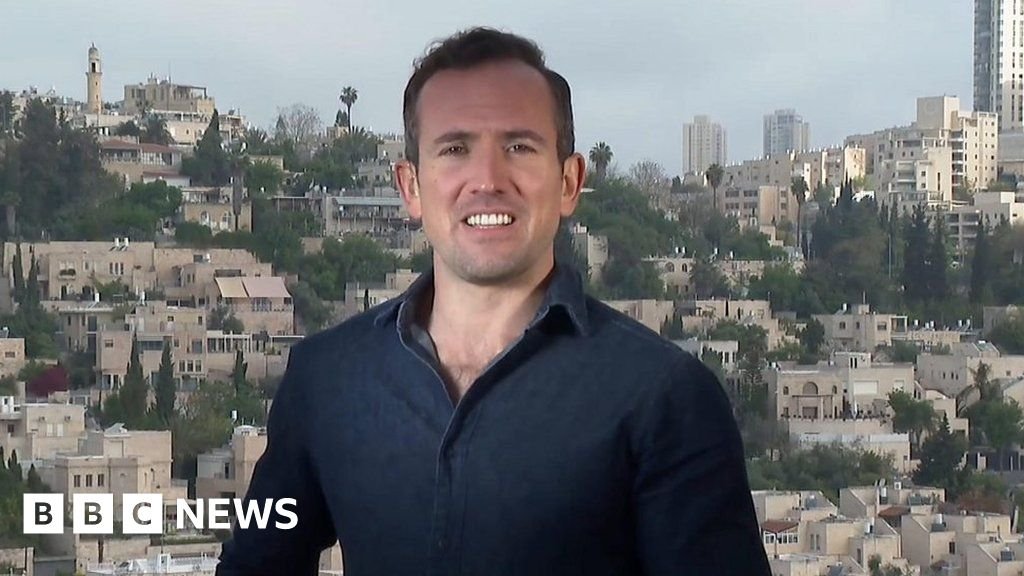
Journalism plays a major role in shaping how a person speaks, especially in broadcast media. Reporters who deliver news to global audiences must prioritize clarity, neutrality, and precision. Over time, they develop an accent that avoids strong local pronunciations that could confuse or distract listeners.
Hugo Bachega accent demonstrates this professional adaptation clearly. His pronunciation is:
- Carefully enunciated
- Easy to understand for non-native English speakers
- Free from heavy slang or regional idioms
This is not accidental. It is the result of years of on-air experience, editorial standards, and the expectation that international correspondents speak in a universally accessible way.
Neutral English and Global Comprehension
Many people describe Hugo Bachega’s voice as sounding neutral, but neutral does not mean bland. Instead, it refers to an accent that minimizes extremes. Neutral English accents often share these characteristics:
- Balanced vowel sounds
- Reduced regional consonant emphasis
- Consistent rhythm and stress patterns
- Clear sentence endings
Hugo Bachega accent fits this description well. It allows audiences from different countries to focus on the content of his reporting rather than on decoding unfamiliar pronunciation. This is especially important during coverage of serious topics such as war, diplomacy, or humanitarian crises.
Subtle European Influences
Listeners sometimes detect subtle European qualities in Hugo Bachega accent. These influences may appear in his vowel length, intonation patterns, or consonant clarity. Unlike strong regional European accents, however, these traits are understated and refined.
This subtlety gives his voice an elegant, international character. It avoids the extremes of sounding either overly British or strongly American, placing his speech somewhere in between. That middle ground is often ideal for global journalism.
The Role of Professional Voice Training
Another crucial factor behind Hugo Bachega’s distinctive accent is professional voice training. Journalists working in broadcast environments often receive coaching to improve:
- Breath control
- Pronunciation accuracy
- Vocal stability under stress
- Emotional neutrality
This training does not erase natural accent traits entirely, but it smooths them out and enhances clarity. Hugo Bachega’s voice reflects this balance between natural speech and professional polish.
His tone remains human and expressive, yet controlled and authoritative. This combination builds trust with viewers, especially during live reporting.
Calm Delivery and Vocal Authority
Accent is not only about pronunciation; it is also about delivery. Hugo Bachega speaks with a calm, measured rhythm that reinforces the credibility of his reporting. Even when describing urgent or dramatic events, his voice remains steady.
This calm delivery contributes significantly to why his accent feels unique. The controlled pacing and confident tone amplify the clarity of his speech, making his accent sound more refined and deliberate.
Audiences often associate this vocal style with reliability and professionalism, which enhances the impact of his journalism.
Why Viewers Find His Accent Memorable
Many accents are easy to understand, but few are truly memorable. Hugo Bachega accent stands out because it combines familiarity with distinction. It sounds international yet personal, neutral yet expressive.
Key reasons viewers remember his voice include:
- Consistent clarity across different reports
- A calm tone during high-pressure situations
- A global accent that feels inclusive rather than regional
These qualities make his voice instantly recognizable without being distracting.
Accent and Identity in Global Media
In modern global media, accent plays an important role in shaping public perception. A strong regional accent may suggest local expertise, while a global accent signals international authority. Hugo Bachega accent places him firmly in the second category.
His voice reflects an identity shaped by global journalism rather than national boundaries. This aligns perfectly with his role as a correspondent covering international stories for a worldwide audience.
Why People Search for Hugo Bachega Accent Explained
The growing interest in Hugo Bachega accent reflects a broader fascination with global English. As more journalists operate across borders, audiences are becoming curious about accents that do not fit traditional labels.
People search for explanations because:
- His accent does not match common stereotypes
- It sounds polished but natural
- It stands out from typical regional broadcasts
This curiosity highlights how voice and accent remain powerful tools in storytelling and communication.
Conclusion
Hugo Bachega accent is unique because it represents the modern global journalist. It is shaped by international exposure, professional training, and a commitment to clear communication. Rather than belonging to one place, his voice belongs to the world.
His accent is not just how he speaks; it is part of how he connects with audiences across cultures and continents. Calm, neutral, and subtly distinctive, it enhances the authority of his reporting while remaining accessible to listeners everywhere.