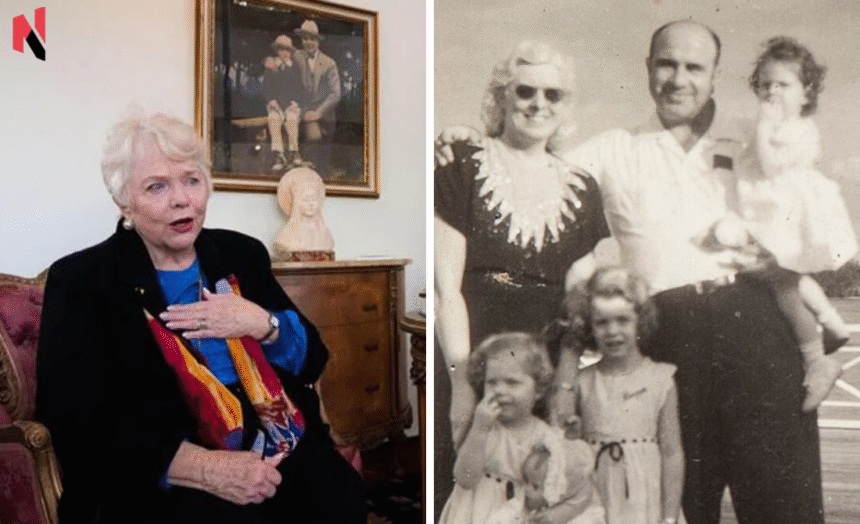
When people hear the surname Capone, their minds instantly turn to crime history, Prohibition-era Chicago, and the infamous gangster Al Capone. Yet far from the spotlight of crime, power, and headlines lived a woman whose life was defined not by notoriety, but by resilience, loyalty, and privacy Veronica Capone. Known primarily as the wife of Al Capone, Veronica Capone lived a remarkably understated life, choosing family and dignity over fame, even as her name became tied to one of the most talked-about figures in American history.
This article explores the full life story of Veronica Capone, her role as a wife and mother, and the legacy she left behind away from violence, scandal, and public spectacle.
Early Life of Veronica Capone
Veronica Capone was born as Mary Josephine Coughlin in the late 19th century in the United States. She came from an Irish Catholic background, a common heritage among many immigrant families of that era. Raised with strong religious and moral values, Veronica’s upbringing emphasized modesty, family loyalty, and faith principles that would guide her throughout her life.
Unlike the turbulent environment that would later surround her husband, Veronica’s early years were relatively quiet and traditional. She was known as a gentle, reserved young woman who avoided trouble and valued stability. These characteristics would later stand in stark contrast to the chaos surrounding the Capone name.
Marriage to Al Capone
Veronica married Al Capone in 1918, long before he became the most infamous crime boss in America. At the time of their marriage, Al Capone was still a young man involved in small-time criminal activities, not yet the symbol of organized crime history he would later become.
Their marriage was deeply rooted in Catholic tradition. Despite Al Capone’s criminal lifestyle, Veronica remained committed to her faith and insisted on maintaining a respectable family structure. She never embraced the glamour or excess often associated with mob life. Instead, she focused on being a devoted wife and mother.
A Devoted Mother and Family Anchor
One of the most defining aspects of Veronica Capone’s life was her role as a mother. She and Al Capone had one son, Albert Francis Capone, commonly known as Sonny Capone.
Veronica was fiercely protective of her son. She worked tirelessly to shield him from the criminal world and the stigma attached to his father’s name. Education, discipline, and morality were priorities in their household largely due to Veronica’s influence.
Even during periods when Al Capone was imprisoned or under constant surveillance, Veronica maintained a sense of normalcy for her child. She believed strongly that Sonny deserved a life free from violence and criminal influence, a belief that would later shape his future.
Life in the Shadow of Crime
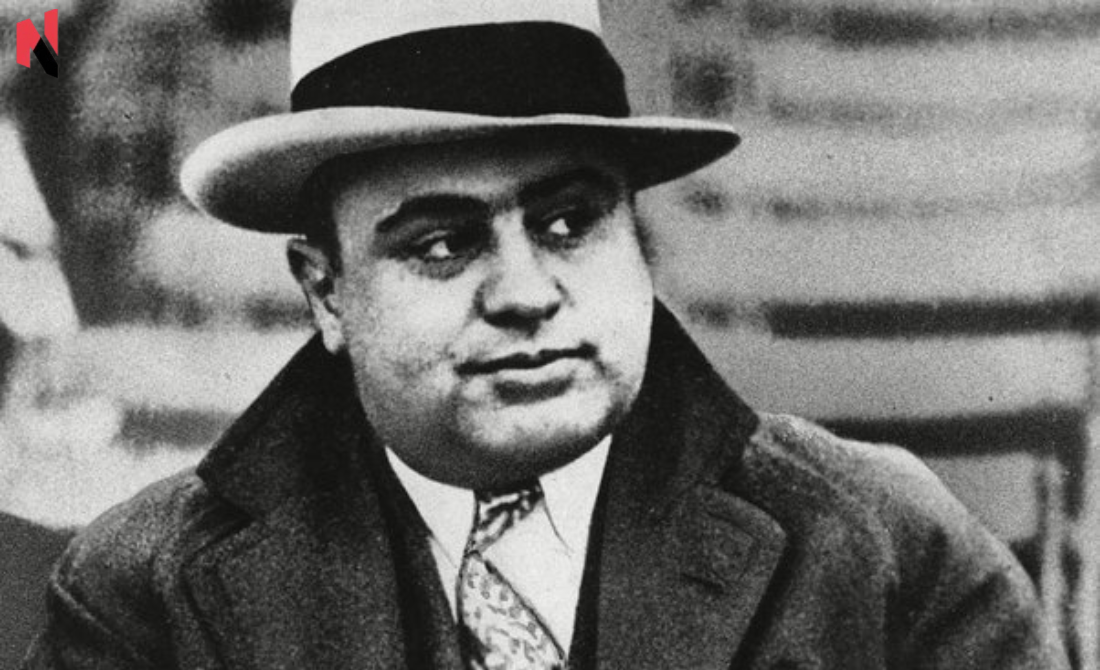
Living as the wife of America’s most notorious gangster was far from easy. Veronica Capone endured constant public scrutiny, media attention, and government surveillance. Despite this, she refused to participate in or benefit from illegal activities.
She rarely appeared in public and almost never gave interviews. Unlike many mob wives who embraced luxury and notoriety, Veronica preferred a quiet domestic life. Her strength lay in her ability to remain composed and dignified while the world around her sensationalized her family.
Even as Al Capone’s power peaked during the Prohibition era, Veronica remained emotionally distant from his criminal empire. She reportedly disapproved of violence and longed for a peaceful family life one that was often impossible due to circumstances beyond her control.
Standing by Al Capone During His Fall
When Al Capone was convicted of tax evasion in 1931 and sentenced to prison, Veronica Capone did not abandon him. Despite the humiliation and hardship that followed, she remained loyal and continued to support him emotionally.
During Al Capone’s incarceration and later decline due to illness, Veronica took on the role of caregiver. His health deteriorated rapidly from complications related to neurosyphilis, leaving him mentally and physically weakened. Veronica’s compassion and patience during these years reflected her deep sense of marital duty and humanity.
Her devotion was not rooted in power or fear, but in a belief in loyalty and responsibilityvalues instilled in her long before she became a Capone.
A Life of Privacy After Al Capone
After Al Capone’s death in 1947, Veronica Capone deliberately withdrew from public life. She rejected opportunities to capitalize on the Capone name, refusing book deals, interviews, or public appearances.
She lived quietly, focusing on her family and faith. Her later years were marked by simplicity and solitude, far removed from the violence and corruption associated with her husband’s legacy.
Veronica Capone passed away in 1981, having spent decades protecting her privacy and maintaining her dignity. Her death marked the end of a chapter rarely discussed in crime history the lives of those who endured the consequences without ever committing the crimes.
Veronica Capone’s Legacy
While history remembers Al Capone for crime, power, and fear, Veronica Capone’s legacy is one of resilience, morality, and quiet strength. She represents the often-overlooked human side of history the families who lived behind infamous names.
Her life serves as a reminder that not everyone connected to crime chooses that path. Veronica Capone never glorified violence, never sought fame, and never justified wrongdoing. Instead, she embodied stability in the midst of chaos.
Why Veronica Capone Still Fascinates Today

Interest in Veronica Capone continues today because she offers a contrasting narrative to the gangster mythology. In films, documentaries, and historical discussions, she stands as a symbol of endurance and emotional strength.
Her story resonates with readers who want to understand the personal costs of crime not just for victims, but for families bound by love and circumstance. In a world obsessed with notoriety, Veronica Capone chose silence, integrity, and family.
Conclusion
Veronica Capone lived a life that history rarely celebrates, yet deeply respects. As the wife of one of the most infamous figures in American history, she had every reason to embrace attention or power but she never did.
Instead, Veronica Capone chose faith over fame, family over fortune, and dignity over drama. Her story is not one of crime, but of character and that may be her greatest legacy.